Reactors chemists

The know-how and the experience allow Pisano Engineering to position itself as an important player in the thermodynamic and mechanical design up to the realization of shell and tube heat exchangers in its workshops.

Chemical Reactors for Process Industry

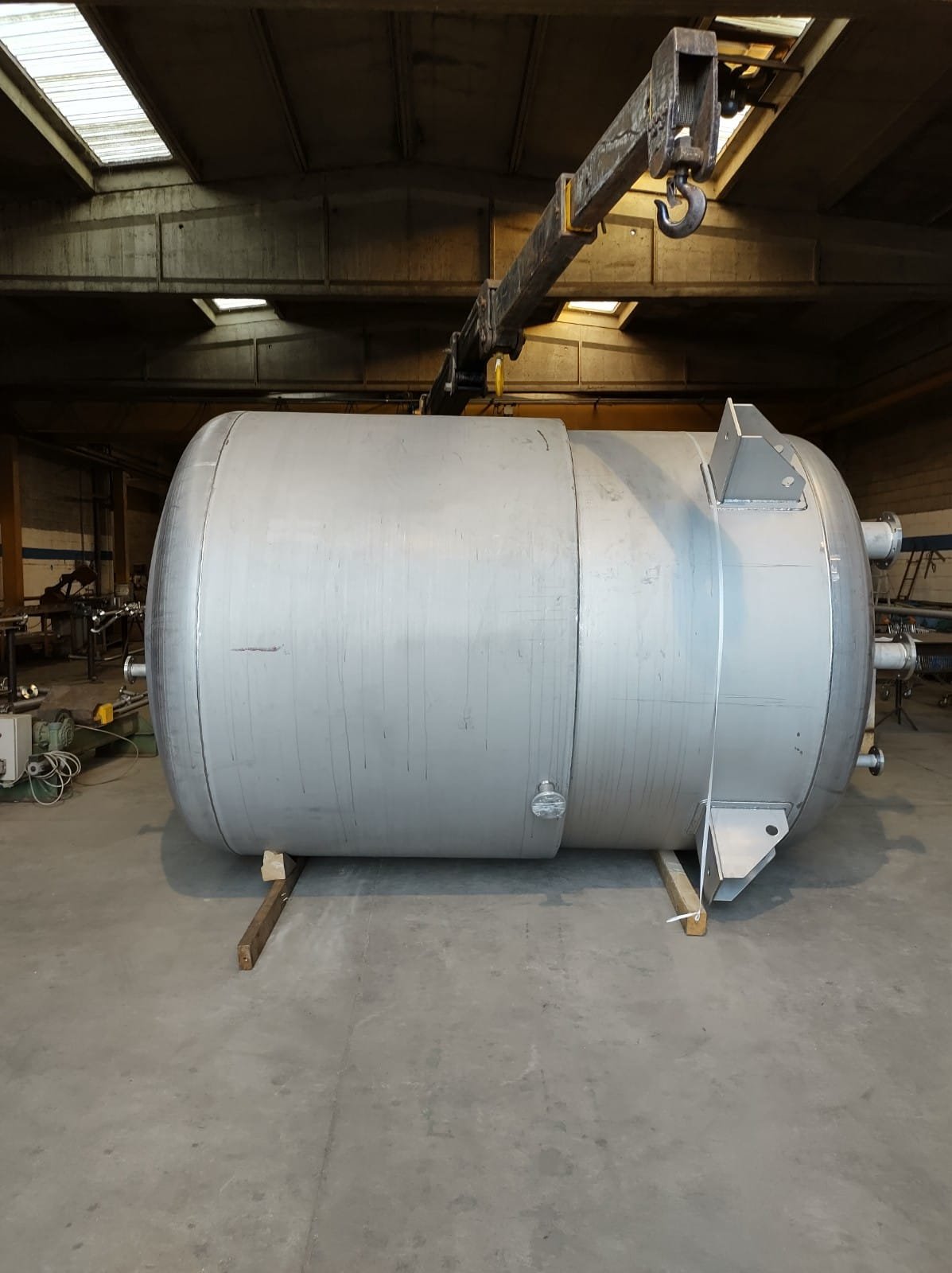
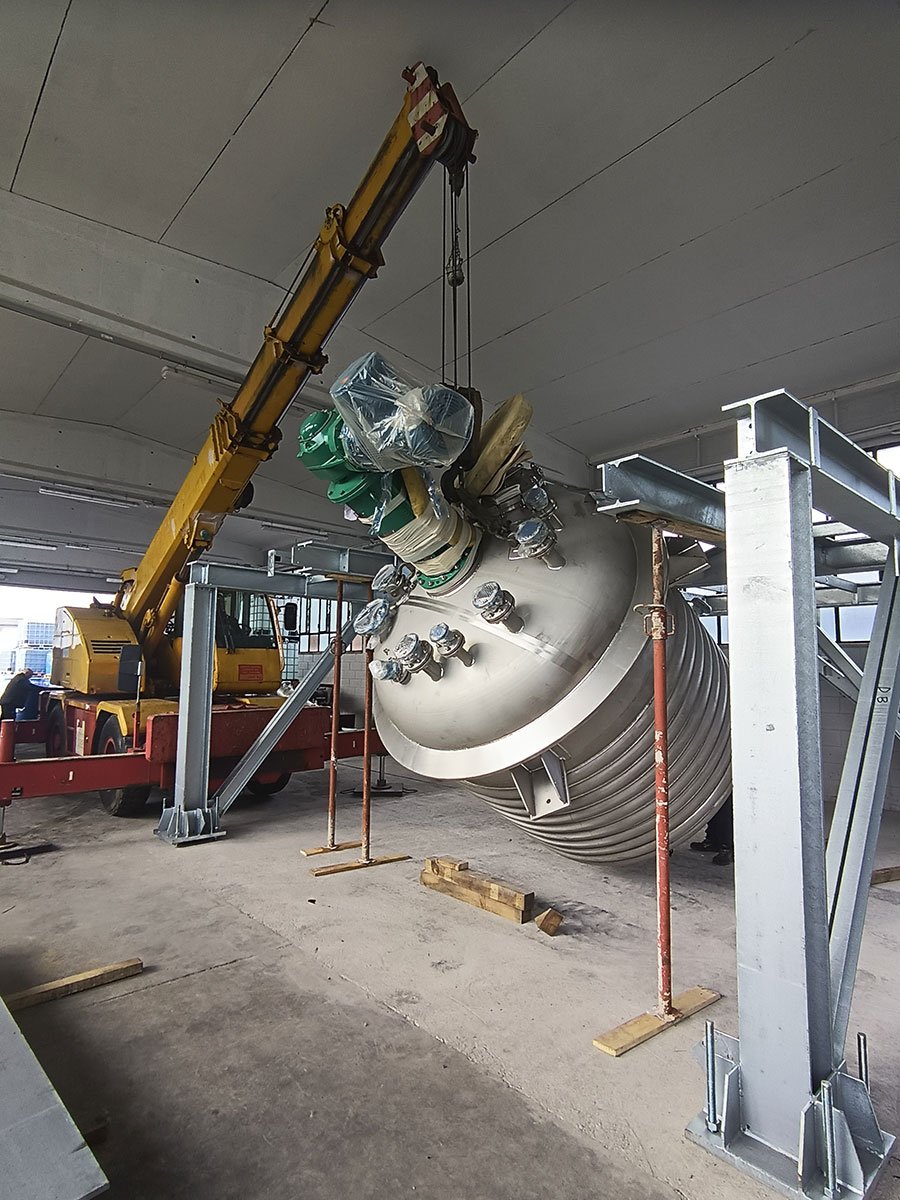
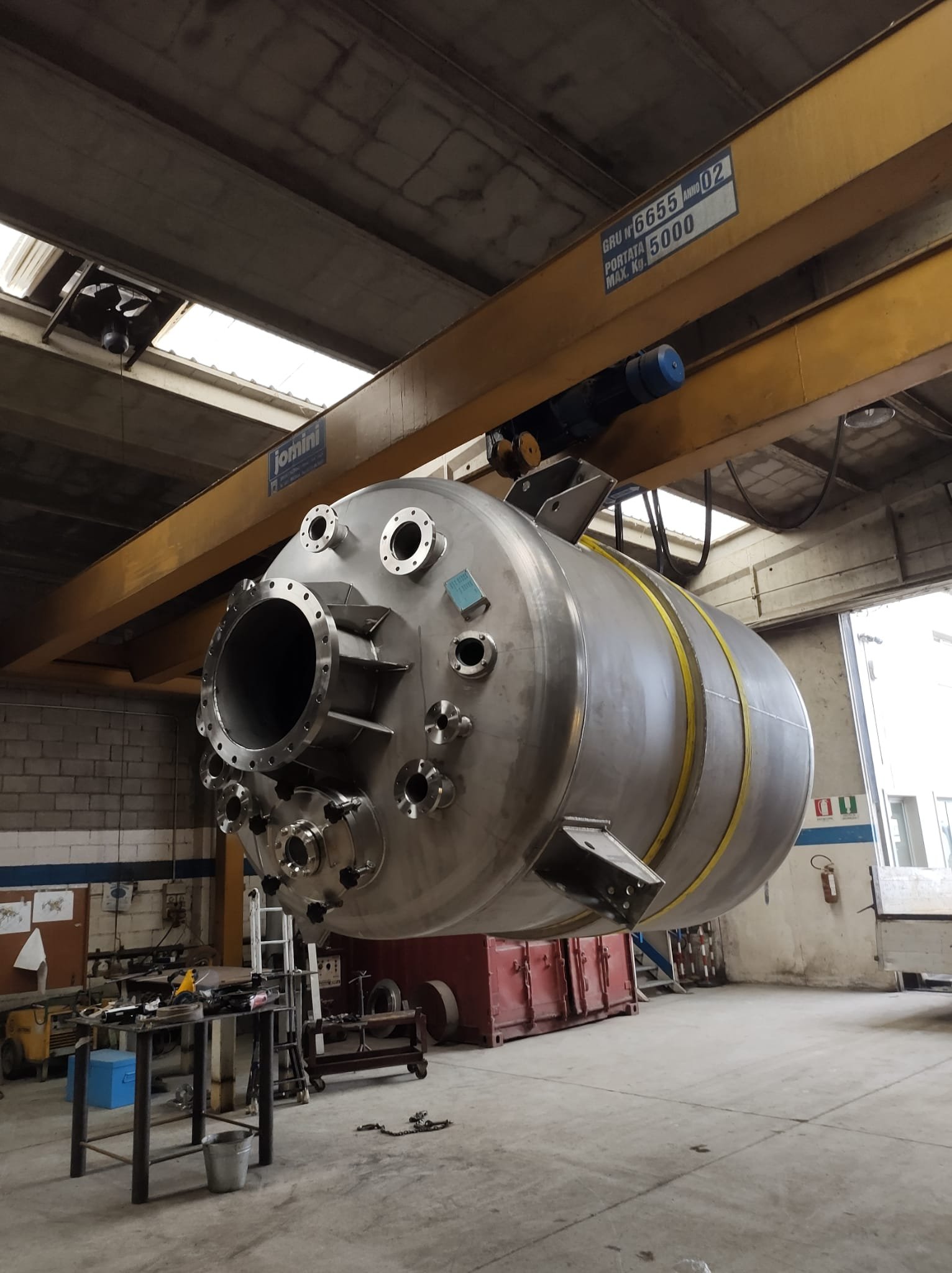
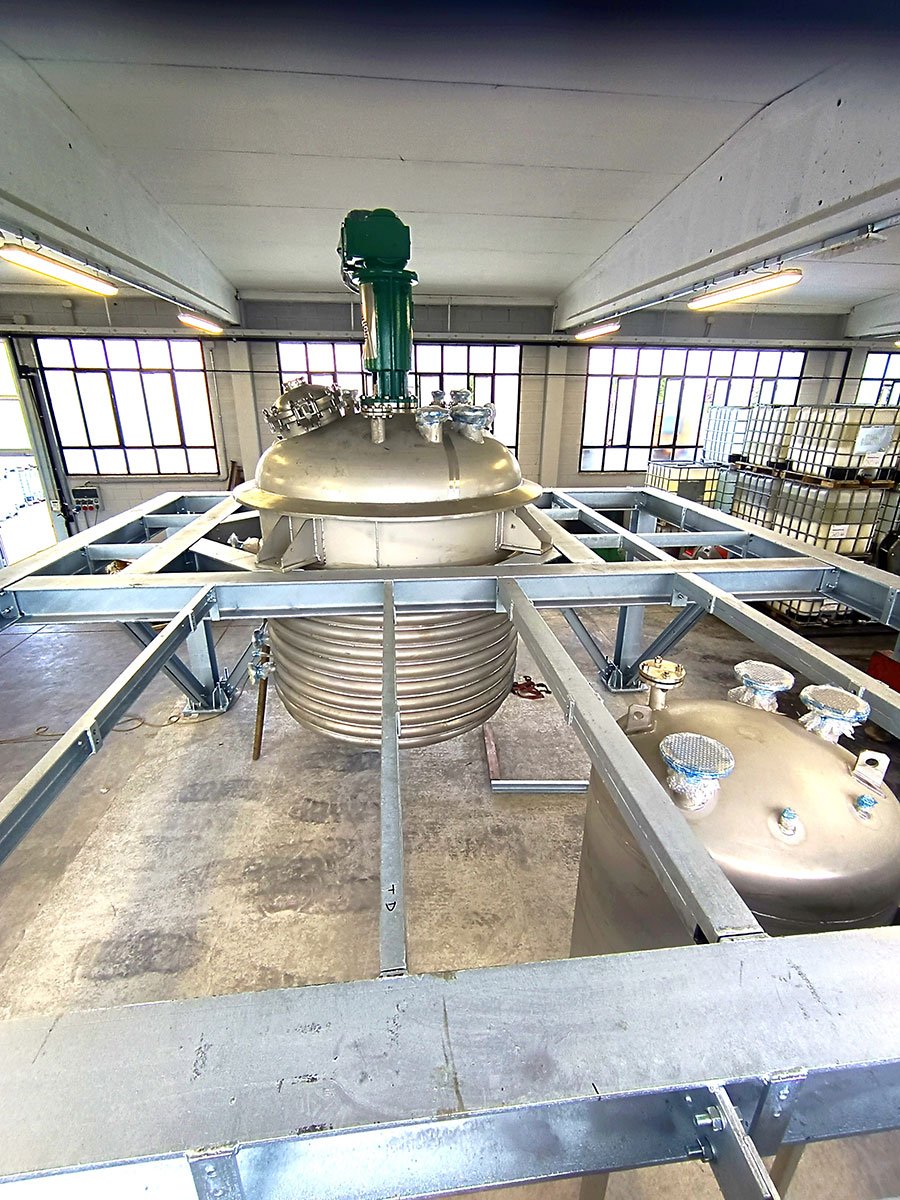
Pisano Engineering designs and builds custom-made chemical reactors for the chemical, petrochemical, pharmaceutical and cosmetic industries. In our workshops in Sannazzaro de’ Burgondi , we manufacture process equipment certified according to the PED Directive 2014/68/EU, guaranteeing maximum reliability, safety and efficiency for any type of chemical reaction industrial.

What Are Industrial Chemical Reactors

A chemical reactor is equipment designed to contain and control chemical reactions
on an industrial scale. Within these reactors, controlled transformations
of reactants into finished products occur through processes that require precise conditions
of temperature, pressure, agitation, and residence time.

  • Safe storage of raw materials and finished products
  • Maintenance of fluid quality characteristics
  • Optimal process inventory management
  • Integration with handling and control systems

Types of Chemical Reactors Produced

Batch Reactors (Discontinuous)

Batch reactors are the right solution for pharmaceutical and fine chemical production where production flexibility is required:
Main features:
  • Useful volume: from 50 liters to 100,000 liters
  • Agitation: turbines, shovels
  • Heating/cooling: jackets, half-pipes, internal coils
  • Pressure: from vacuum up to 100 bar
  • Temperature:-80°C to +350°C
Examples of agitators installed on reactors we supply:

VERICAL AGITATOR AR 9.2-70 For Reactor diam. 3000 mm H cylinder 6000 mm

Design pressure ATM/Vacuum – Design temperature 120°C:

Examples of agitators installed on reactors we supply:

Electric motor Kw 9.2 – 4 poles – V400 – Hz50 – IP55 – PTC suitable for operation by inverter – IE3 efficiency

Hollow shaft right-angle gearbox reduction ratio 8.86 service factor 2 – complete with first oil charge

Agitator output speed 25+115 rpm

Manually controlled variable speed drive

Support lantern with axial bearing made of carbon steel

Shaft length 5850 mm Ø 80 mm made of three flanged parts

Bottom guide with wear sleeve made of PTFE

No. 3 impellers with 2 blades inclined 45° Ø 1200 mm with hub made in two halves

Packing seal with PTFE rings

DN 400 PN 16 connection flange

Protective covers for rotating parts

Declaration of incorporation of quasi-machines (Directive 2006/42/EC, Annex II, para. B).

materials:

Parts in contact with the product made of AISI 304L stainless steel

External parts made of carbon steel painted Ral 5010

Main features:
  • Multi-step pharmaceutical syntheses
  • Specialty chemical productions
  • Processes with long reaction times
  • Work that requires frequent cleaning

Continuous Reactors (CSTR)

Instead, this type of reactor is suitable for large-scale production with constant operating conditions:

Technical specifications:
  • Flow rates: 100 kg/h to 50 ton/h
  • Automated control systems
  • Integrated energy recovery
  • Continuous monitoring of parameters
Operational benefits:
  • Constant production 24/7
  • Uniform product quality
  • Lower operating costs per unit produced
  • Integration with DCS control systems
Mixed Reactors with Agitator

Mixing Reactors with Agitator are designed to ensure perfect homogenization and reaction control:

Available configurations:
  • Single or multiple agitators
  • Internal deflectors to optimize mixing
  • Mechanical or magnetic sealing systems
  • Variable speed with inverter
Types of agitators:
  • Rushton turbines: for gas-liquid dispersion
  • Inclined shovels: for solids suspension
  • Anchors/Scrapers: for viscous fluids
  • Marine propeller: for low-viscosity mixtures.

Pressure Reactors

For processes requiring severe operating conditions:

Technical specifications:
  • ASME VIII Div.1 or PED design
  • SSpesses calculated with dedicated software
  • Special materials for high pressures
  • Redundant security systems (PSV, rupture disks)
Materials of Construction:

Material selection is crucial to ensure chemical compatibility and durability:

Standard Materials:
  • Carbon steel: SA516 Gr.70 for non-corrosive services
  • AISI 304L/316L: for most chemical applications
  • AISI 316Ti: for high temperatures and presence of chlorides
  • Duplex 2205: for aggressive environments with chlorides
Special Materials:
  • Hastelloy C276/C22: for highly corrosive acids.
  • Titanium Gr.2: maximum corrosion resistance
  • Inconel 625: for high temperature in corrosive environment
  • Tantalum: for hot concentrated sulfuric acid
  • Coatings: PTFE, PFA, rubber, vitrification
Integrated Components and Accessories

Each reactor can be equipped with:

Thermal Exchange Systems:
  • Single or multiple shirts with independent zones
  • Welded half-pipes for high pressures
  • Removable internal serpentines
  • Cooling/heating plates
Instrumentation and Control:
  • PT100 thermometers and resistance thermometers
  • Pressure gauges and pressure transmitters
  • Level gauges (radar, ultrasonic, capacitive)
  • In-line pH-meters and conductivity meters
  • Sampling systems
Dosing Systems:
  • Bottom valves for total discharge
  • Nozzles for adding reagents
  • CIP/SIP washing systems
  • Wind breakers and baffles

Design According to International Standards

All our chemical reactors are designed and built in accordance with:

Reference Standards:
  • PED 2014/68/EU: Pressure Equipment Directive
  • ASME Section VIII: for U.S. markets
  • AD 2000: German regulations
  • GOST: for Russian market
  • GB150: Chinese standard
Process Certifications:
  • ATEX: for potentially explosive atmospheres
  • FDA/GMP: for pharmaceutical industry
  • ASME BPE: for biopharmaceutical applications.
  • CE Marking: European Conformity
Areas of Application

Each reactor can be equipped with:

Thermal Exchange Systems:
  • Single or multiple shirts with independent zones
  • Welded half-pipes for high pressures
  • Removable internal serpentines
  • Cooling/heating plates
Instrumentation and Control:
  • PT100 thermometers and resistance thermometers
  • Pressure gauges and pressure transmitters
  • Level gauges (radar, ultrasonic, capacitive)
  • In-line pH-meters and conductivity meters
  • Sampling systems
Dosing Systems:
  • Bottom valves for total discharge
  • Nozzles for adding reagents
  • CIP/SIP washing systems
  • Wind breakers and baffles

Construction Materials

Material selection is crucial to ensure chemical compatibility and durability:
Standard Materials
  • Carbon steel: SA516 Gr.70 for non-corrosive services
  • AISI 304L/316L: for most chemical applications
  • AISI 316Ti: for high temperatures and presence of chlorides
  • Duplex 2205: for aggressive environments with chlorides
Special Materials
  • Hastelloy C276/C22: for highly corrosive acids.
  • Titanium Gr.2: maximum corrosion resistance
  • Inconel 625: for high temperature in corrosive environment
  • Tantalum: for hot concentrated sulfuric acid
  • Coatings: PTFE, PFA, rubber, vitrification

Integrated Components and Accessories

Each reactor can be equipped with:
Thermal Exchange Systems
  • Single or multiple shirts with independent zones
  • Welded half-pipes for high pressures
  • Removable internal serpentines
  • Cooling/heating plates
Instrumentation and Control
  • PT100 thermometers and resistance thermometers
  • Pressure gauges and pressure transmitters
  • Level gauges (radar, ultrasonic, capacitive)
  • In-line pH-meters and conductivity meters
  • Sampling systems
Dosing Systems
  • Bottom valves for total discharge
  • Nozzles for adding reagents
  • CIP/SIP washing systems
  • Wind breakers and baffles

Our Production Process

Feasibility Study and Design

  • Process and storage requirements analysis
  • Sizing according to regulations
  • Layout and footprint optimization
  • 3D modeling and rendering
Production in Our Workshops

At our plant in Sannazzaro de’ Burgondi we follow internally:
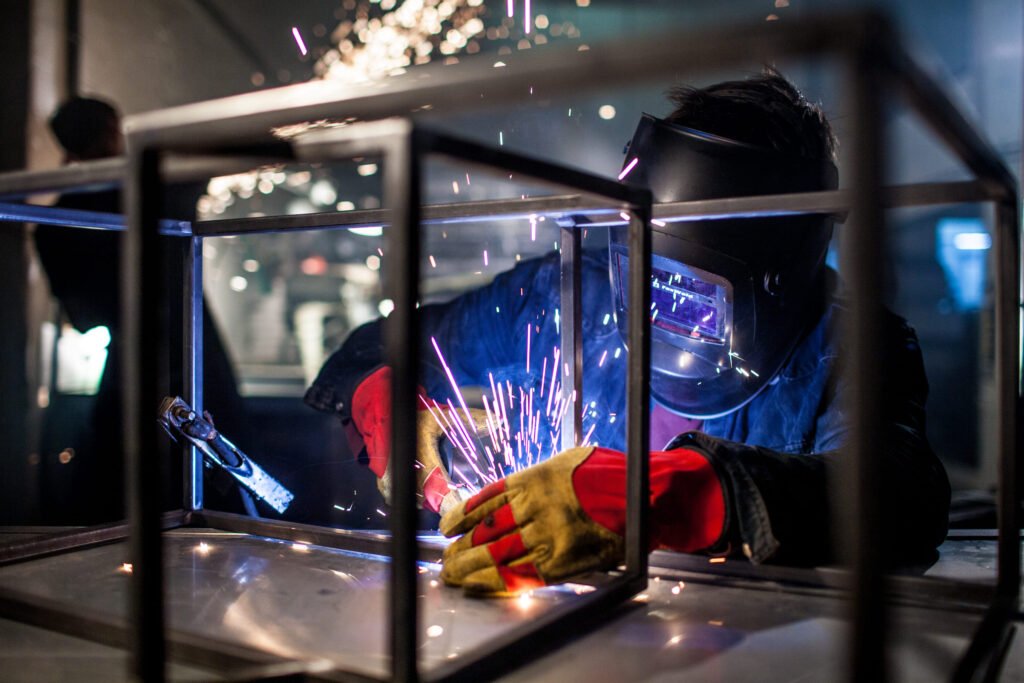
  • Sheet metal cutting and forming
  • Certified welding (TIG, MIG, SAW)
  • Precision machining
  • Component assembly
Quality Controls
  • Storage of corrosive chemicals
  • Hydrocarbon tanks
  • Intermediate storage vessels
  • Storage of solvents and reagents
  • Tanks for acids and bases
Documentation and Certification
  • Complete technical dossier
  • Material Certificates 3.1/3.2
  • EC/PED Declaration of Conformity
  • Operation and Maintenance Manual
  • P&ID and datasheet

Areas of Application

Chemical and Petrochemical Industry
  • Polymerization (PE, PP, PVC, PS)
  • Alkylation and nitration
  • Catalytic oxidation
  • High-pressure hydrogenation
  • Esterification and transesterification
  • Synthesis of chemical intermediates
Pharmaceutical Industry
  • API (Active Pharmaceutical Ingredients)
  • Multi-step synthesis
  • Controlled crystallization
  • Purification and separation
  • Biotechnology and fermentation
Renewable Energy
  • Storage of corrosive chemicals
  • Hydrocarbon tanks
  • Intermediate storage vessels
  • Storage of solvents and reagents
  • Tanks for acids and bases
Cosmetic Industry
  • Emulsions and creams
  • Perfumes and fragrances
  • Detergents and surfactants
  • Dyes and pigments
OUR EXPERIENCE

A chemical reactor is any equipment in which a chemical process is housed.

Know how and experience allow Pisano Engineering to position itself as an important player in thermodynamic and mechanical design up to the realization in its own workshops of reactors for chemical processes.

Once this information is acquired, we can determine what type of reactor to use, size, materials to be used in its construction, and the accessories to equip it with.

The reactors produced meet the construction and operating standards according to the European directive PED2014/68/EU

The chemical reactors we produce can meet the necessary criteria in order to achieve the desired output

Movement of the substance

  1. Discontinuous reactors
  2. Discontinuous reactors

Number of steps

  1. Heterogeneous
  2. Homogeneous

Operating conditions

  1. Adiabatic
  2. Isotherms
  3. At constant pressure
  4. At constant volume

The design phase starts with knowledge of the reaction that is to take place within the reactor in its many aspects.

  • Speed of reaction

  • Equilibrium binding reactants and products

  • Caloric aspect of the reaction

  • Vaporizers

  • Degassers

Also to be determined.

  • What type of reactor to use

  • Dimensions

  • Materials to be used

  • Operating conditions

Competitive Advantages

Experience and Technical Expertise
  • Team of engineers specializing in chemical processes
  • Dozens of reactors installed and operating
  • Thorough knowledge of regulations
Production 100% Made in Italy
  • Total quality control
  • Flexibility in in-progress changes
  • Guaranteed delivery time
  • Full traceability of materials
Total Customization
  • Design to customer specifications
  • Adaptation to existing facilities
  • Innovative solutions for complex problems
  • Energy optimization of processes
FULL SERVICE
  • Free preliminary consultation
  • Support during installation
  • Staff training
  • After-sales service and spare parts

Sizing and Calculation

At our plant in Sannazzaro de’ Burgondi we follow internally:
Process Parameters:
  • Kinetics of the reaction
  • Mass and energy balances
  • Heat transfer coefficients
  • Optimal residence time
Software Used
  • Aspen Plus: process simulation
  • Ansys Fluent: computational fluid dynamics.
  • PV Elite: mechanical calculations
Quality Controls
  • Storage of corrosive chemicals
  • Hydrocarbon tanks
  • Intermediate storage vessels
  • Storage of solvents and reagents
  • Tanks for acids and bases
Documentation and Certification
  • Complete technical dossier
  • Material Certificates 3.1/3.2
  • EC/PED Declaration of Conformity
  • Operation and Maintenance Manual
  • P&ID and datasheet